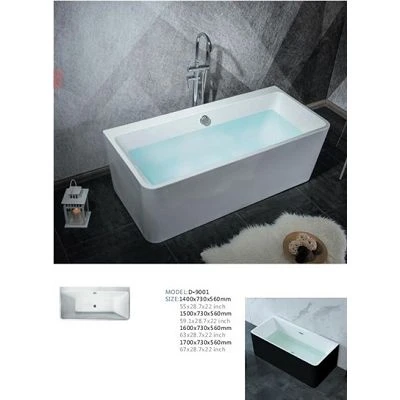
Acrylic Bathtubs
Acrylic bathtubs are made from synthetic organic materials. They are characterized by a wide variety of shapes, light weight, a smooth surface, and low price. However, due to the inherent drawbacks of synthetic organic materials, such as poor high-temperature resistance, poor pressure resistance, lack of wear resistance, and easy surface aging, acrylic bathtubs rarely remain unchanged after three years of use. However, some brand manufacturers use imported high-gloss, high-hardness bathroom-grade acrylic sheets, which overcomes some of acrylic's shortcomings to some extent. If consumers believe they will use the bathtub infrequently, or if they plan to renovate their house within a few years, then acrylic bathtubs are a suitable option due to their good cost-performance ratio.
Cast Iron Bathtubs
Cast iron bathtubs are made of cast iron with an enamel coating, making them very heavy and less noisy during use. Due to the complex casting process, cast iron bathtubs generally have limited design options but are quite expensive.
Wooden Bathtubs
Solid wood bathtubs are typically made from hard, dense woods with excellent corrosion resistance, such as spruce, oak, pine, and cedar. Cedar is the most common material for solid wood bathtubs on the market. According to a sales representative from a solid wood bathtub brand at Daming Palace Building Materials and Home Furnishings City, solid wood bathtubs not only offer a refreshing look but also have advantages such as easy cleaning, no static electricity, and being environmentally friendly. They can be cleaned with just water after bathing, and daily maintenance is simple. Solid wood bathtubs prefer a humid environment and dislike dryness, so they should be frequently soaked in water and protected from direct sunlight.
Steel Bathtubs
Steel bathtubs are a traditional material for bathtub manufacturing. They are made from a single piece of bathtub-specific steel plate, approximately 2 mm thick, stamped and then enamel-coated. They are wear-resistant, heat-resistant, and pressure-resistant, with a weight between cast iron and acrylic bathtubs. While their heat retention is lower than cast iron, they have a long service life and offer good overall value, making them a popular choice for many consumers during renovations.